Everything About Mass Plastic Containers: Advantages, Applications, and Industry Insights
Bulk plastic containers play a substantial duty in different industries, offering advantages that boost effectiveness and sustainability. Their lightweight nature lowers shipping costs, while their sturdiness guarantees secure storage and transport of varied products. As firms increasingly look for eco-friendly remedies, the demand for these containers is expanding. This raises vital inquiries about the products used and the patterns influencing their layout. What ramifications do these factors have for the future of bulk plastic containers?
Benefits of Bulk Plastic Containers
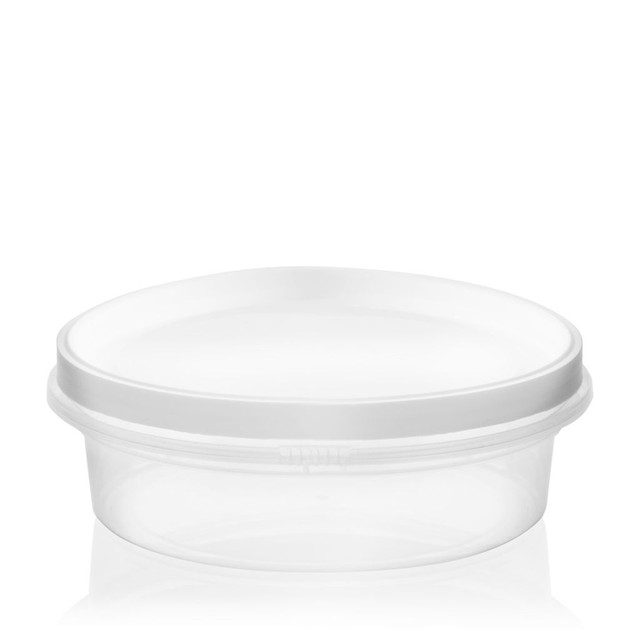
Mass plastic containers offer a wide variety of benefits in numerous industries. Their light-weight layout notably decreases transportation expenses, enabling efficient logistics and less complicated handling. Furthermore, these containers provide resilience and resistance to weather components, chemicals, and physical impact, making sure the secure storage and transportation of goods. The flexibility of mass plastic containers permits them to be formed right into numerous sizes and shapes, accommodating specific industry requirements.
Usual Applications Across Industries
While various sectors make use of bulk plastic containers, their applications are particularly prominent in fields such as food and beverage, drugs, farming, and manufacturing. In the food and drink industry, these containers are vital for keeping and transferring products like grains, fluids, and ready dishes, guaranteeing freshness and safety and security. The pharmaceutical market relies upon mass plastic containers for safe storage of vaccinations and drugs, preserving compliance with stringent policies.
In agriculture, these containers facilitate reliable handling and transport of fruit and vegetables, fertilizers, and chemicals, while likewise sustaining lasting methods through recyclability. Production markets utilize bulk plastic containers for components storage and assembly line procedures, promoting company and workflow performance. Additionally, these containers serve a significant function in logistics and supply chain administration, simplifying the activity of goods across numerous markets. Generally, the flexibility of mass plastic containers makes them vital throughout multiple markets.
Product and Design Considerations
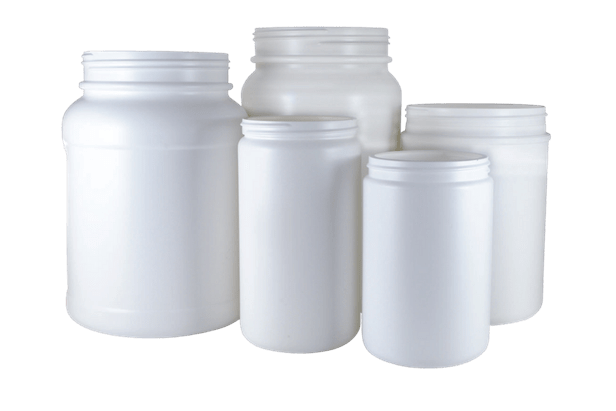
When choosing mass plastic containers, product and design factors to consider play a necessary function in making certain functionality and conformity with sector requirements. The selection of material considerably impacts the container's longevity, weight capability, and resistance to ecological variables. Common materials consist of high-density polyethylene (HDPE) and polypropylene, recognized for their strength and chemical resistance.
Design elements, such as size, shape, and closure devices, likewise affect functionality. Containers with ergonomic takes care of and stackable designs boost storage effectiveness and convenience of transportation. In addition, attributes like venting or drain openings might be essential for particular applications, enabling air blood circulation or fluid elimination.
Conformity with safety guidelines, such as FDA authorizations for food-grade applications, is essential. Bulk Plastic Containers. On the whole, careful factor to consider of products and layout can maximize efficiency and long life, making certain that mass plastic containers fulfill the varied requirements of different markets successfully
Patterns wholesale Plastic Container Usage
As industries evolve, the use of mass plastic containers is progressively influenced by sustainability and efficiency. Firms are selecting environment-friendly materials, such as recycled plastics, to lessen environmental impact while keeping durability. This change is driven by consumer demand for lasting methods and regulatory stress intended at minimizing plastic waste.
Additionally, the pattern toward automation in logistics and supply chain administration is reshaping container layouts. Mass containers are now being crafted for compatibility with automated systems, boosting operational performance. Lightweight layouts are likewise acquiring grip, as they minimize delivery expenses and power usage throughout transportation.
On top of that, personalization is becoming a prime focus, allowing organizations to tailor containers to certain needs, therefore optimizing room and functionality. These patterns mirror a wider dedication to sustainability, development, and performance within various industries, ensuring that bulk plastic containers remain to play an important duty in modern supply chains.
Ideal Practices for Storage Space and Transportation
Efficient storage space and transport of bulk plastic containers need adherence to finest techniques that enhance safety and performance. Containers need to be piled securely, guaranteeing that weight is uniformly distributed to stop tipping or damages. Utilizing pallets can help with much easier motion and shield the containers from ground dampness. In addition, correct labeling is vital for quick identification and monitoring throughout transportation.
Temperature level control is another important variable; extremes can endanger the honesty of the products. It is suggested to store containers in a climate-controlled environment when required. For transport, selecting appropriate lorries created for bulk loads guarantees security and lessens threat during transportation.
Regular evaluations of containers prior to storage and transport help identify any kind of wear or damages, permitting for prompt maintenance or replacement. By adhering to these ideal practices, companies can enhance the lifecycle of bulk plastic containers while keeping functional effectiveness.
Frequently Asked Questions

Are Bulk Plastic Containers Recyclable After Use?
Yes, bulk plastic containers are often recyclable after use. Nevertheless, recyclability depends on the product type and neighborhood recycling programs. Proper cleansing and sorting are vital to ensure they are approved by recycling centers.
What Is the Life Expectancy of Mass Plastic Containers?
The life-span of bulk plastic containers usually varies from five to 10 years, depending on usage conditions, worldly quality, and ecological factors. plastic bulk containers plastic bulk containers. Appropriate upkeep can extend their toughness, making them a long-lasting storage space option
Can Mass Plastic Containers Be Customized?
Yes, bulk plastic containers can be personalized. Suppliers commonly use alternatives for size, color, product, and branding, permitting companies to tailor containers to their certain requirements and boost their item presentation and functionality.
Just How Do Mass Plastic Containers Compare in Cost to Alternatives?
Bulk plastic containers typically use a reduced expense contrasted to options like metal or glass, due to their light-weight nature and sturdiness. This makes them an economical selection for companies needing efficient storage services.
Are There Safety And Security Regulations for Using Mass Plastic Containers?

Mass plastic containers play a substantial duty in numerous markets, providing advantages that boost efficiency and sustainability. While different markets utilize bulk plastic containers, their applications are especially prominent in sectors such as food and drink, drugs, agriculture, and production. Manufacturing sectors use bulk plastic containers for parts storage space and assembly line procedures, advertising organization and process efficiency. When selecting mass plastic containers, material and style considerations play an essential role in ensuring performance and conformity with market standards. As markets progress, the use of bulk plastic containers is increasingly affected by sustainability and efficiency.